The Personal Computer Revolution
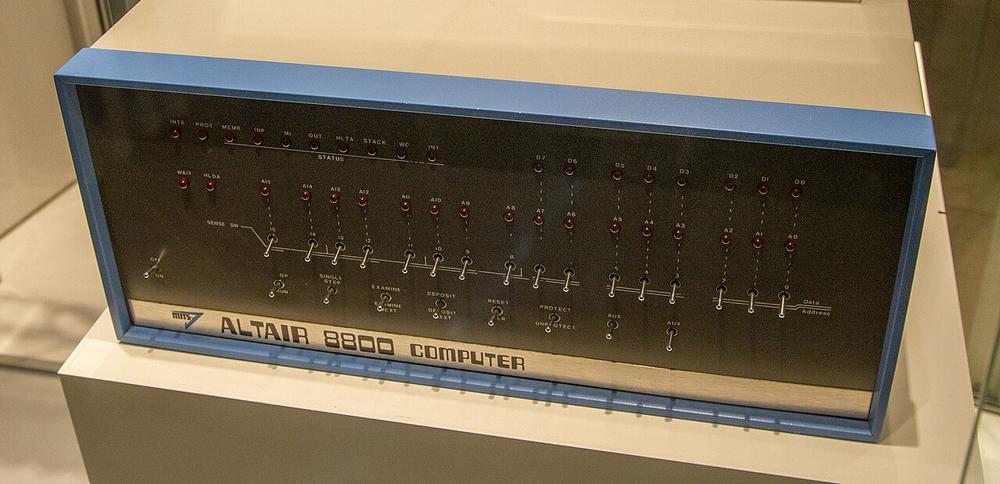
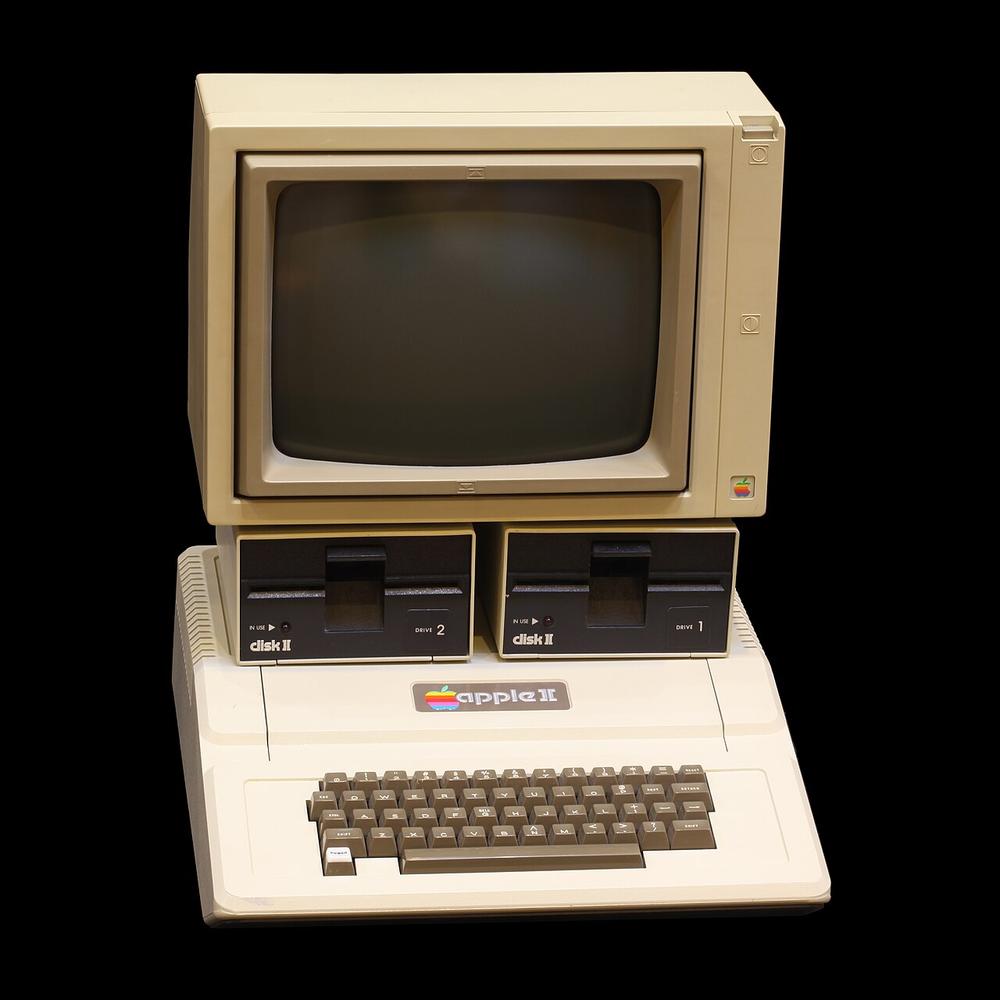
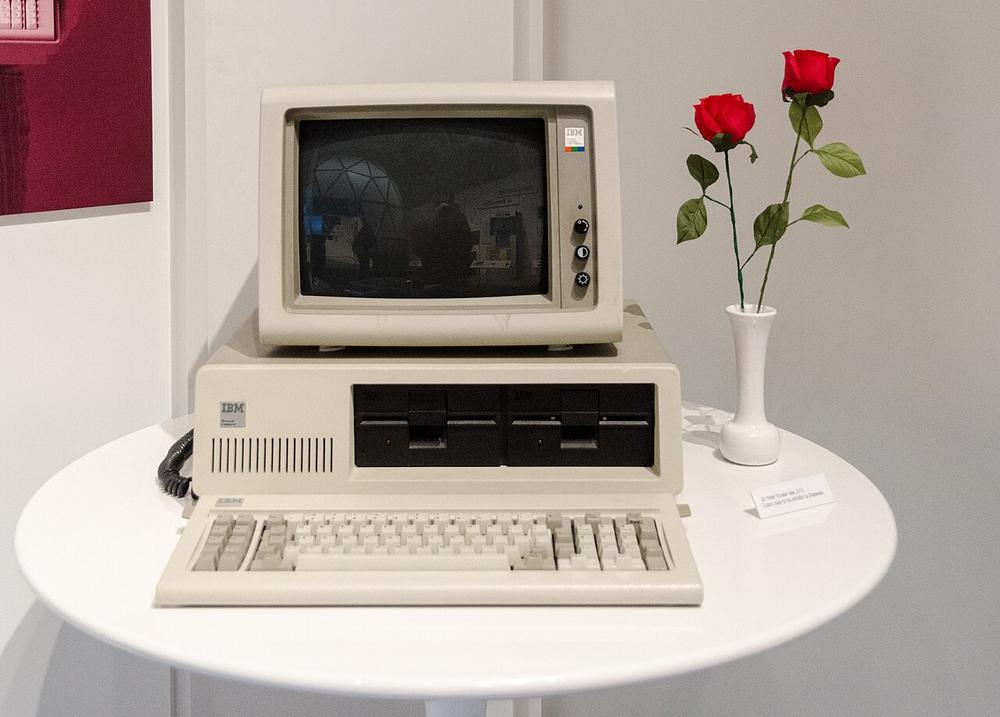
In 1975 a computer was a machine you had to build yourself from a kit, with toggle switches instead of a keyboard and blinking lights instead of a screen. Six years later, IBM — the mainframe giant — was selling a personal computer in department stores. The personal computer revolution turned computing from a corporate luxury into a household tool.
In short
The personal computer revolution began with the MITS Altair 8800, a kit computer featured on the cover of Popular Electronics in January 1975. The Apple II (1977) made the PC a finished, friendly product, and the IBM PC, announced on 12 August 1981 at a base price of $1,565, made it a business standard. The key enabler was the microprocessor: Intel's 4004 in 1971 put a whole processor on one chip.
The microprocessor: a computer on a chip
The revolution started with a chip. In 1971, Intel released the 4004, the first commercial microprocessor — the central processor of a computer squeezed onto a single piece of silicon, built originally for a Japanese calculator. Intel's 8080 followed in 1974, and MOS Technology's 6502 in 1975 cost just $25, when rival processors cost well over $100. Suddenly, a computer's brain was cheap enough for a hobbyist. The microprocessor is what made the personal computer possible: without it, a computer was a room full of parts.
The Altair 8800 and the hobbyists
In January 1975, Popular Electronics put the MITS Altair 8800 on its cover: a kit computer built around the Intel 8080, sold for about $397, with toggle switches and lights and no keyboard or screen. Hobbyists bought thousands of them. The Homebrew Computer Club in Menlo Park, California, began meeting in March 1975 to share programs and designs — among its members was Steve Wozniak. Two young programmers, Bill Gates and Paul Allen, wrote a BASIC interpreter for the Altair and founded Microsoft in 1975 to sell it. The Altair was hard to use, but it proved there was a market for a computer of one's own.
1977: the trinity
In 1977 three finished personal computers reached the public in the same year: the Apple II, the Commodore PET, and the Radio Shack TRS-80. The Apple II, launched in April 1977, was the most important: a finished product in a plastic case, with a keyboard, colour graphics, and BASIC built in, ready the moment you switched it on. In 1979, VisiCalc — the first spreadsheet — gave the Apple II a reason for businesses to buy it: a machine that could do in minutes what took an accountant a day. The personal computer was no longer a hobby; it was a tool.
The IBM PC, 1981
On 12 August 1981, IBM announced the IBM Personal Computer, model 5150, at a base price of $1,565. It used an Intel 8088 processor and an operating system, MS-DOS, bought from the young company Microsoft. IBM's name made the PC respectable for business, and — crucially — IBM published the machine's technical details, so other companies could build compatible machines. Within a few years, "IBM-compatible" PCs from Compaq, Dell, and dozens of others dominated the market, and the open standard they created is the ancestor of almost every desktop and laptop sold today.
Sources: Altair 8800 — Wikipedia, IBM Personal Computer — Wikipedia, Apple II — Wikipedia, Intel 4004 — Wikipedia Checked 27 November 2026.