Laptops and Mobile Computing
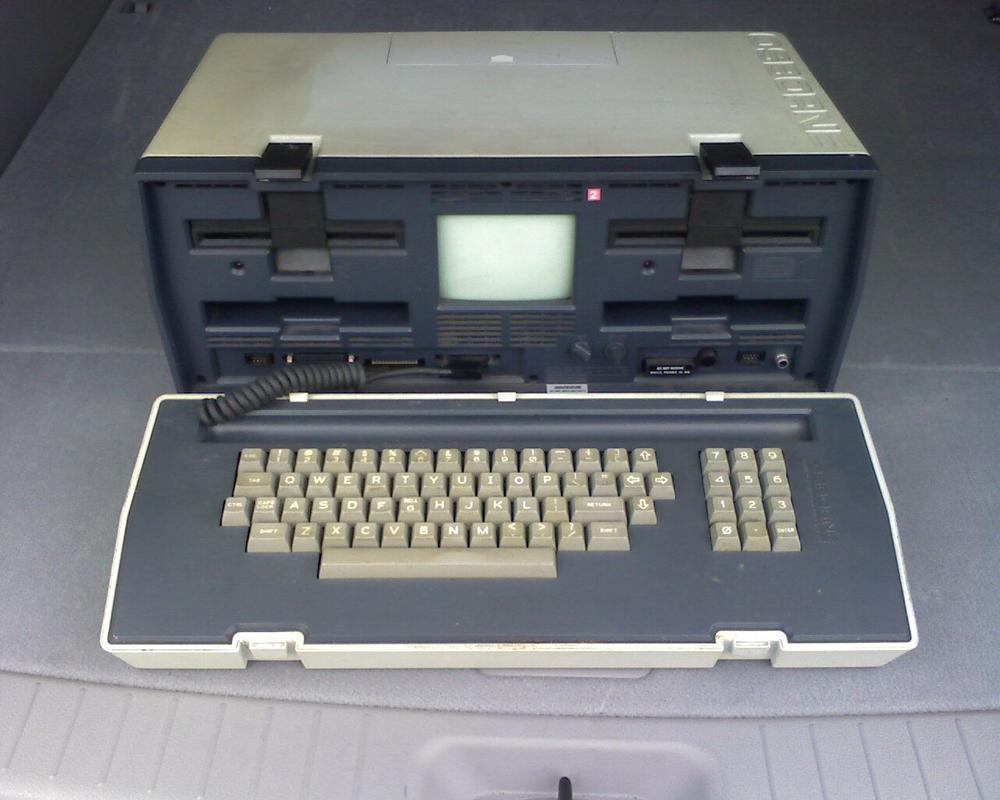
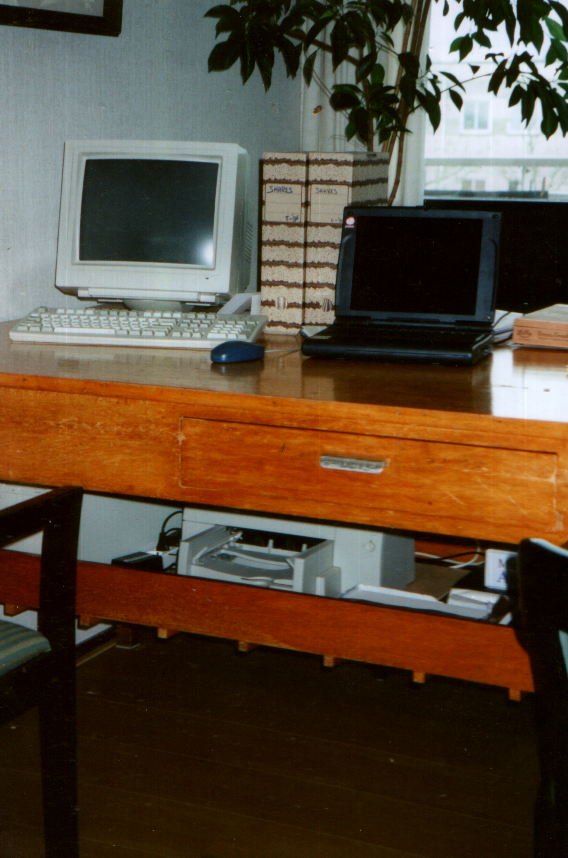
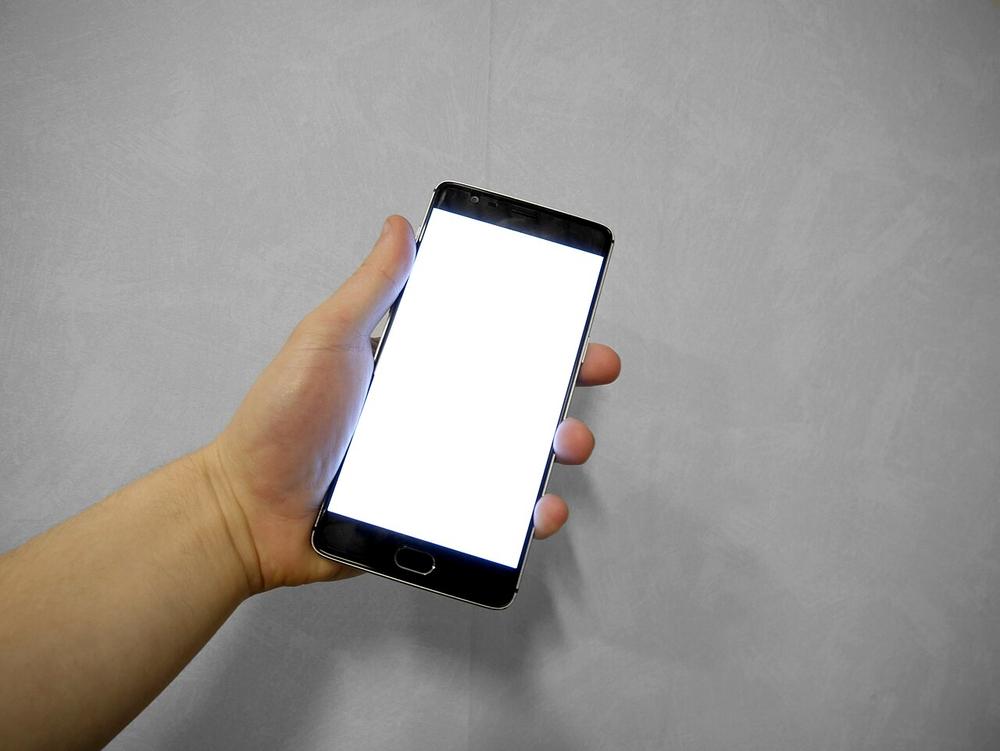
The first portable computer weighed as much as a suitcase full of bricks and had a screen the size of a postcard. Twenty-five years later, a phone thinner than a pencil held more computing power than the machine that guided Apollo to the Moon. The story of the laptop and the smartphone is the story of the computer escaping the desk.
In short
Portable computing began with the Osborne 1, launched in 1981 — the first commercially successful portable computer, weighing about 24 pounds (11 kg). Laptops became practical in the late 1980s and 1990s as batteries and flat screens improved. The smartphone era began with Apple's iPhone, announced on 9 January 2007 and released on 29 June 2007, which combined a phone, an internet browser, and a touch-screen computer in one device.
The first luggables
The first portable computers were barely portable. The Osborne 1, introduced in 1981, weighed about 24 pounds, had a tiny 5-inch screen, and ran on mains power — "luggable" was the honest word. The Compaq Portable of 1983 was the first IBM-compatible portable and a commercial hit. The real breakthrough was the laptop form: the GRiD Compass of 1982, used by NASA on the Space Shuttle, folded shut like a book, and by the late 1980s machines like the Compaq LTE and the Apple PowerBook (1991) made the modern laptop shape — keyboard, trackball or trackpad, and a flat screen — the standard. The enablers were the same forces that drove everything else: cheaper chips, better batteries, and LCD screens.
Wireless changes the game
A laptop tied to a desk by a cable was only half free. Wi-Fi, standardised as 802.11 in 1997 and popularised by Apple's AirPort in 1999, cut the cord: a laptop could work anywhere in a house, a cafe, or an airport. At the same time, the internet moved into the pocket. Early smartphones — Nokia's Communicator, BlackBerry's email devices — were mostly for business, and they were clumsy to use. The missing piece was a screen you could touch and software anyone could understand.
The iPhone, 2007
On 9 January 2007, Steve Jobs announced the iPhone: a phone, an iPod, and an internet communicator in one device, with a multi-touch screen and no physical keyboard. It went on sale in the United States on 29 June 2007. The App Store, opened in July 2008, let anyone write software for it, and the smartphone became a platform: maps, cameras, banking, messaging, and games all moved into the pocket. Android, launched by Google the same year, brought smartphones to every price. By the 2010s, more people reached the internet from a phone than from a desktop computer, and the phone became the main computer for most of the world — especially in countries where a desktop had never been common.
What mobility cost — and gave
Mobile computing made computers personal in a new way: always on, always with you, and full of your photos, messages, and location. It also created new problems: short battery life, small screens, distraction, and the question of who owns the data a phone collects. But it also put a computer in the hands of billions of people who never owned a desktop — farmers checking crop prices, students studying on a bus, shopkeepers taking card payments. The computer's journey from a room to a pocket is the largest expansion of access in its history.
Sources: Osborne 1 — Wikipedia, iPhone (1st generation) — Wikipedia, History of laptops — Wikipedia, Smartphone — Wikipedia Checked 27 November 2026.