Mainframes and IBM
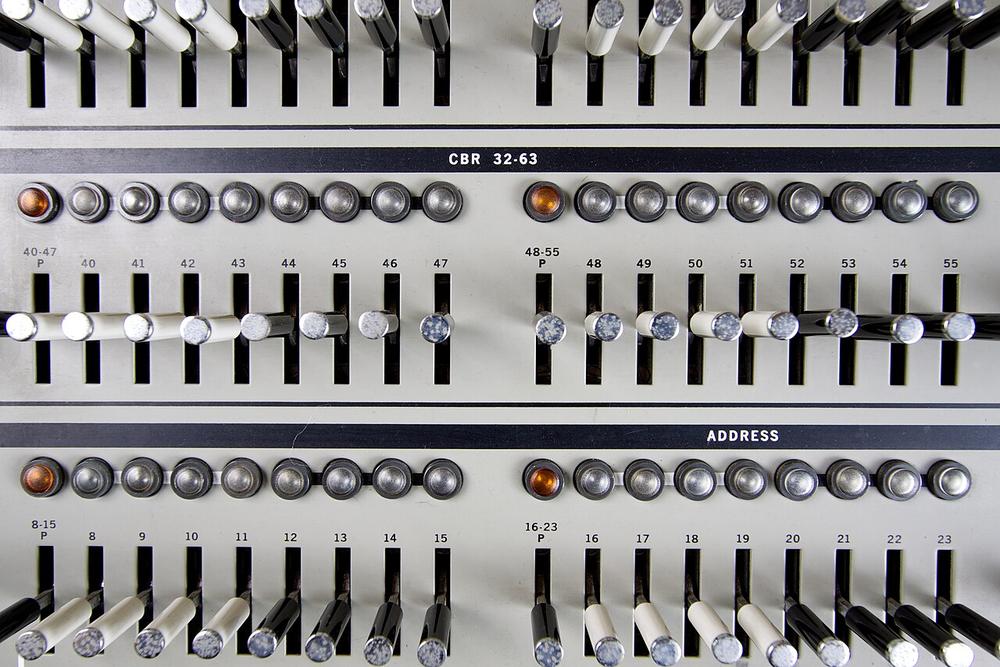
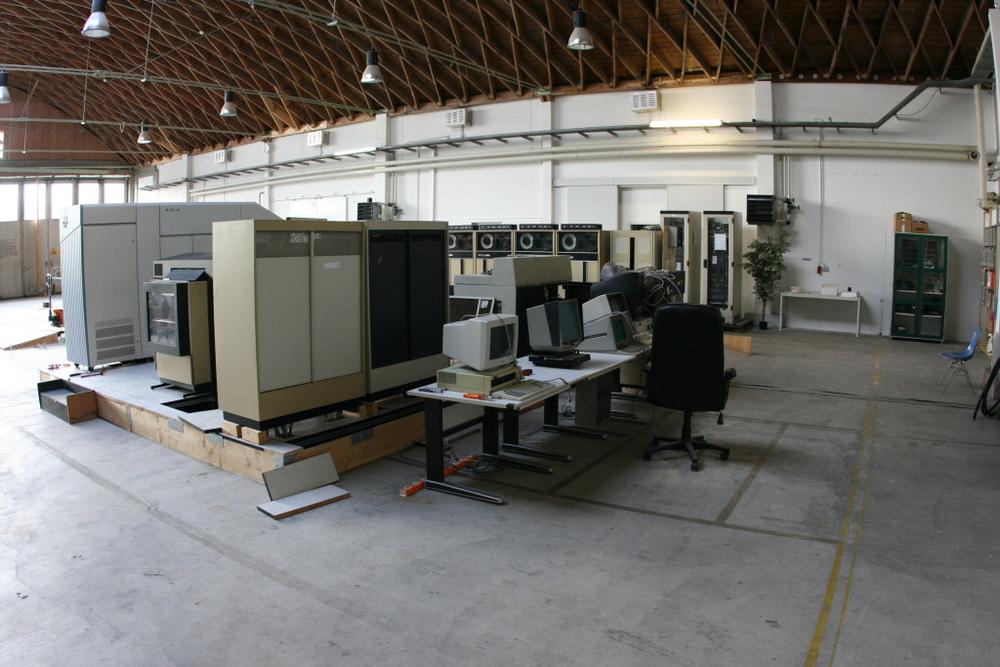
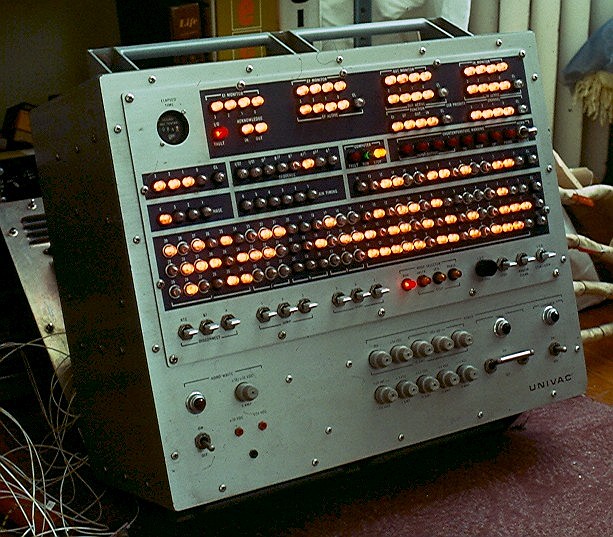
For twenty years, the computer was a room-sized machine owned by governments, universities, and big companies — and one company owned the market. IBM's System/360, launched in 1964, was the biggest business bet in computing history: a whole family of compatible machines that let a company start small and grow without rewriting its software. It made IBM the king of computing.
In short
The mainframe era was dominated by IBM. Its System/360, announced on 7 April 1964, was a family of compatible computers sharing the same software and peripherals, so a customer could move up to a bigger machine without rewriting programs. The 360 made the 8-bit byte the standard unit of computing and became the most successful computer family of its time, cementing IBM's dominance for decades.
The computer moves into business
In the 1950s, computers moved out of the laboratory and into the office. The first commercial computer, UNIVAC I, was delivered to the US Census Bureau in 1951 and became famous when it predicted the 1952 presidential election result on television. IBM, which had made its money from punched-card tabulators, entered the computer business with the IBM 701 in 1952 and the 650 in 1954 — the 650 became the first mass-produced computer, with about 2,000 installed. Banks used computers for accounts, airlines for reservations, and governments for census and tax records. But every machine was different: a program written for one computer would not run on another, so customers were locked in.
The System/360 gamble
By the early 1960s, IBM was selling several incompatible computer lines, and customers were frustrated. In 1964, under chief architect Gene Amdahl, IBM bet the company on a radical solution: the System/360, a family of machines of different sizes and prices that all ran the same software. The name "360" stood for 360 degrees — a computer for every direction, every kind of work. It was announced on 7 April 1964 and cost IBM about five billion dollars to develop, an enormous sum at the time — more than the company was worth in some years. The gamble paid off: the 360 became the standard business computer of the 1960s and 1970s, and its architecture still shapes IBM mainframes today.
The 8-bit byte and the minicomputer
The System/360 established the 8-bit byte as the standard unit of data — before it, machines used 6-bit characters and other sizes. It also introduced the idea of a compatible family, which every computer maker has copied since. But the mainframe had a rival: the minicomputer. Digital Equipment Corporation's PDP-8, launched in 1965, was a small, cheap machine that a single department or laboratory could afford. Minicomputers brought computing out of the air-conditioned computer room and into ordinary offices, and they trained a generation of engineers who would later build the personal computer.
The mainframe's legacy
Mainframes never went away. Banks, airlines, and governments still run their most critical work on them, because they are reliable, secure, and can handle huge volumes of transactions. But by the late 1970s, the centre of gravity was shifting: the microprocessor, invented in 1971, was about to put a computer on every desk — and IBM, the mainframe king, would be forced to follow a market it had not created.
Sources: IBM System/360 — Wikipedia, Mainframe computer — Wikipedia, UNIVAC I — Wikipedia, Computer History Museum timeline Checked 27 November 2026.