AI and the Computer Today
For seventy years, computers did exactly what they were told. Then they started to learn. In 1997 a computer beat the world chess champion; in 2016 one beat the world Go champion; in 2022 a chatbot anyone could talk to reached a hundred million users in about two months. Artificial intelligence is the newest chapter of the computer's story — and the one still being written.
In short
Artificial intelligence is the field of making computers do tasks that need human-like intelligence: recognising images, understanding language, and learning from examples. Its landmark moments include IBM's Deep Blue beating world chess champion Garry Kasparov in a match in May 1997, DeepMind's AlphaGo beating Go champion Lee Sedol 4–1 in March 2016, and OpenAI's ChatGPT, released on 30 November 2022, which brought conversational AI to the mainstream within weeks.
The long road: Turing, Dartmouth, and the winters
AI began as a question. In 1950, the British mathematician Alan Turing asked "Can machines think?" and proposed a test: if a machine could converse so well that a judge could not tell it from a human, it would count as thinking. In 1956, a workshop at Dartmouth College in the United States gave the field its name — "artificial intelligence" — and its first optimistic promises. Progress was slower than promised. In the 1970s and again in the late 1980s, funding dried up in periods called the "AI winters," when the machines were too weak and the problems too hard. But the ideas survived: neural networks, which learn from examples, and the search algorithms that powered chess programs.
Games as milestones
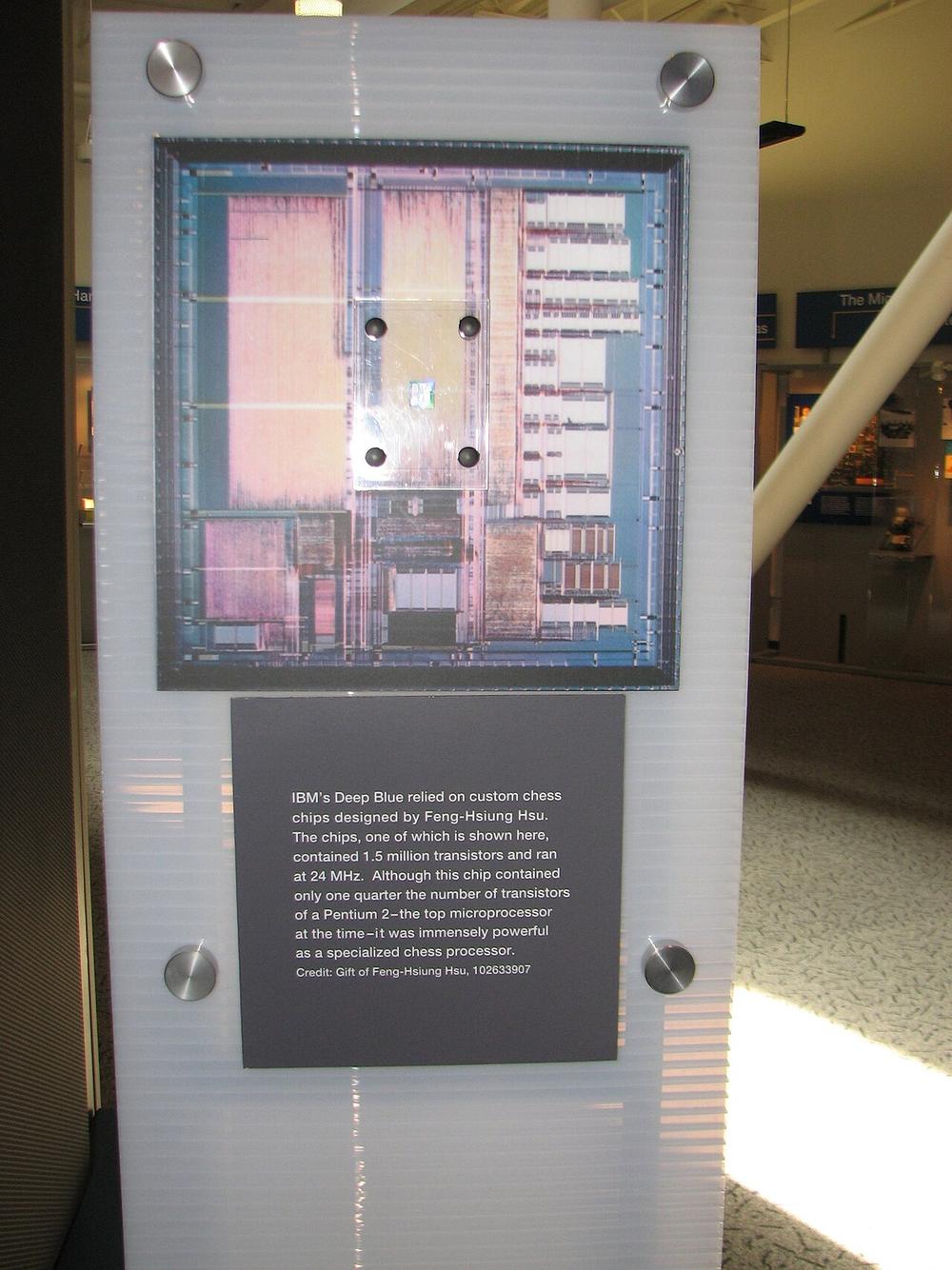
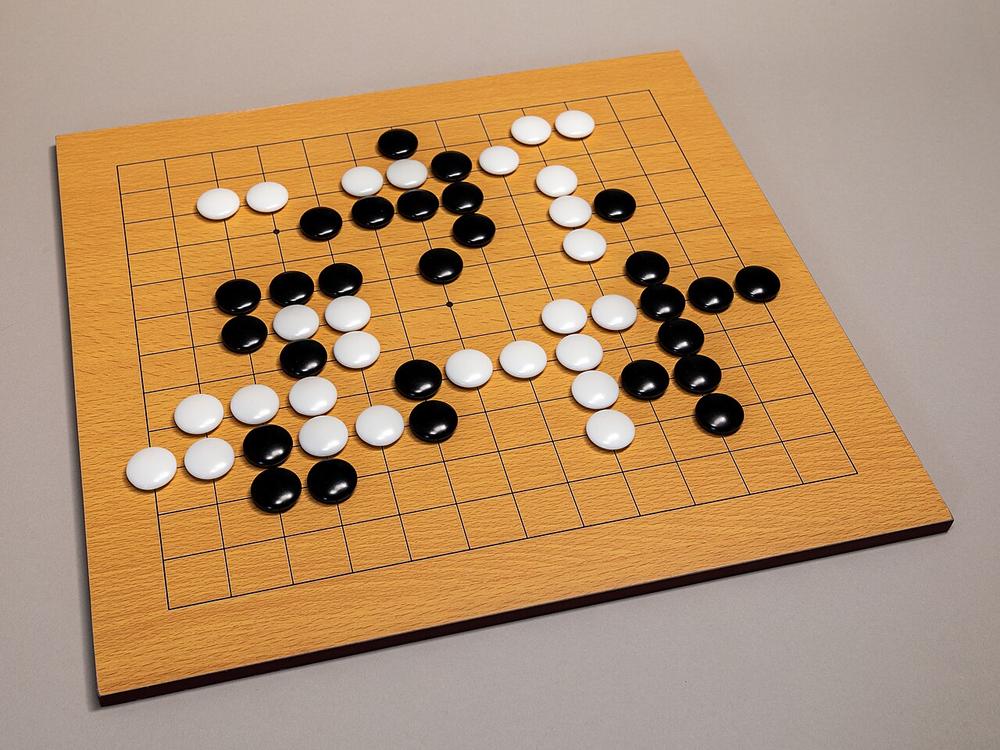
Games were AI's proving ground because they have clear rules and a clear winner. In May 1997, IBM's Deep Blue defeated the reigning world chess champion, Garry Kasparov, 3.5–2.5 in a six-game rematch in New York — the first time a computer beat a reigning champion under tournament conditions, by searching up to 200 million positions a second. In 2011, IBM's Watson beat the best human players at the quiz show Jeopardy! Then came Go, a game with more possible positions than atoms in the observable universe, long thought safe from computers. In March 2016, Google DeepMind's AlphaGo beat Lee Sedol, one of the world's best Go players, 4–1 in Seoul. Its move 37 in the second game — a move experts first thought was a mistake — became a symbol of machine creativity.
Deep learning and the transformer
The breakthrough behind the modern wave was deep learning: neural networks with many layers, trained on huge amounts of data, running on graphics processors (GPUs) built for games. In 2012, a network called AlexNet won an image-recognition contest by a wide margin, and deep learning spread to speech, translation, and vision. In 2017, Google researchers published "Attention Is All You Need," describing the transformer — the architecture behind today's large language models. Models grew from millions of parameters to hundreds of billions, and their abilities grew with them.
ChatGPT and the world after 2022
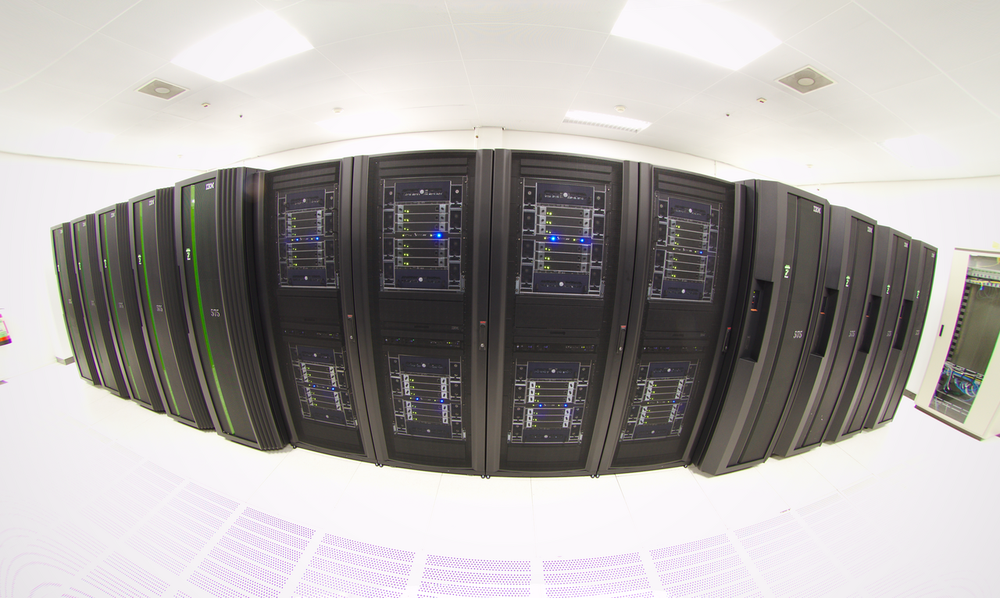
On 30 November 2022, OpenAI released ChatGPT, a chatbot built on its GPT-3.5 model, as a free research preview. It reached an estimated 100 million users within about two months — one of the fastest adoptions of any consumer product in history. Suddenly anyone could ask a computer to write, explain, translate, or code, in plain language. Rival systems followed from Google, Anthropic, Meta, and others. AI is now built into phones, search engines, cameras, and cars, and it raises questions the pioneers never faced: who owns AI-made work, how to stop AI from making things up, and what happens to jobs it can do. The computer's story began with beads on a frame; its newest chapter is a machine that can talk back. What it becomes next is still being decided — by the people who build it and the people who use it.
Sources: Deep Blue — Wikipedia, AlphaGo versus Lee Sedol — Wikipedia, ChatGPT — Wikipedia, History of artificial intelligence — Wikipedia Checked 27 November 2026.