The History of the Computer, from the Abacus to AI
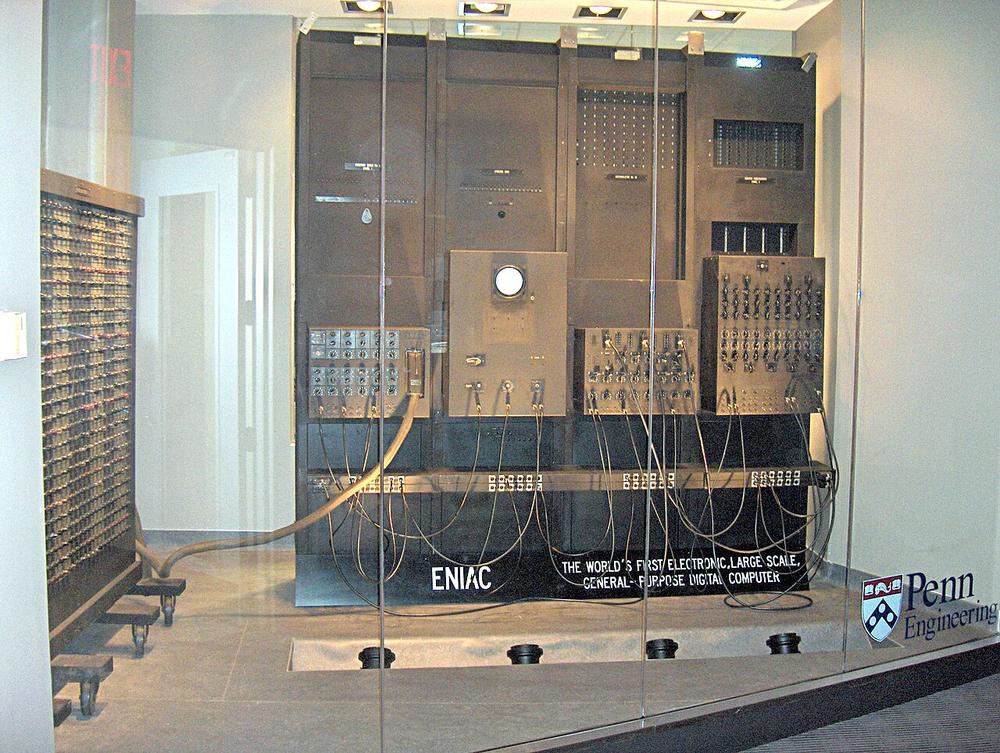
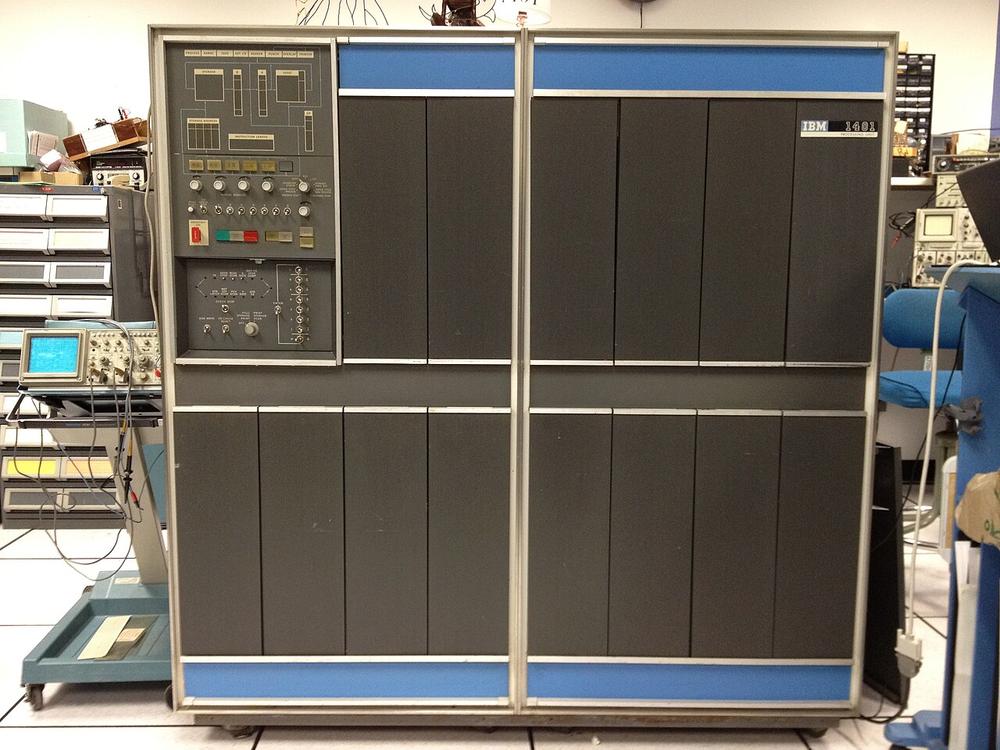
The computer in your pocket holds more power than the room-sized machine that calculated artillery tables in 1945, more than the machine that guided Apollo to the Moon, and more than all the computers on Earth combined in 1970. It got there in less than a century — from beads on a frame, to gears, to vacuum tubes, to a chip smaller than a fingernail. This site tells that story in eleven chapters, from the first calculating devices to the age of artificial intelligence. Start anywhere; the story makes sense in any order, but it is best read from the beginning.
Start here
Seven dates tell the story. In 1642 Blaise Pascal built the first mechanical calculator, the Pascaline. In the 1830s Charles Babbage designed the Analytical Engine, the first general-purpose computer, and in 1843 Ada Lovelace published the first program for it. In 1945 ENIAC became the first programmable electronic computer. On 23 December 1947 the transistor was demonstrated at Bell Labs. On 12 August 1981 IBM launched the personal computer. In 1991 the first website went live. And on 30 November 2022 ChatGPT brought artificial intelligence to everyone.
The First Machines
- Early Calculating Devices — The abacus, the Pascaline of 1642, and Leibniz's stepped reckoner.
- Babbage and Lovelace — The Analytical Engine and the first program, published in 1843.
- Punch Cards and Tabulating Machines — Hollerith's census machine and the road to IBM.
- ENIAC and the First Electronic Computers — The room-sized machine that proved electronics could compute.
The Machines Get Small
- The Transistor — The 1947 invention that replaced the vacuum tube.
- Mainframes and IBM — The System/360 and the business computer.
- The Personal Computer Revolution — The Altair, the Apple II, and the IBM PC.
- Apple and Microsoft — The two companies that shaped the PC.
The Computer Goes Everywhere
- The Internet Era — ARPANET, the Web of 1989–91, and the browser wars.
- Laptops and Mobile Computing — From the Osborne 1 to the iPhone of 2007.
- AI and the Computer Today — Deep Blue, AlphaGo, and ChatGPT.
What this site will not do
This site explains history in plain English. It is not technical advice, it does not tell you which computer to buy, and it does not predict what AI will do next. Dates before the modern era are approximate, and each guide says where the evidence is uncertain or historians disagree.
All dates on this site were checked against the sources named on each page on 27 November 2026. Dates before the modern era are approximate, and each guide says where the evidence is uncertain or historians disagree.
Sources: History of computing — Wikipedia, Computer History Museum timeline, ENIAC — Wikipedia, History of the transistor — Wikipedia