The Internet Era
For forty years, a computer was a machine that sat alone on a desk and did what you told it. Then the network arrived. The internet connected computers together, and the World Wide Web turned that network into something anyone could use. The computer stopped being a calculator and became a library, a post office, a shop, and a town square — all at once.
In short
The internet — a network of networks — grew from ARPANET, the US military research network first switched on in 1969. The World Wide Web was invented by Tim Berners-Lee at CERN: he proposed it in a paper in March 1989, built the first browser and server in 1990, and published the first website on 6 August 1991. The Mosaic browser of 1993 made the web graphical and easy to use, and by the late 1990s the web was a mass medium.
ARPANET: the network that would not die
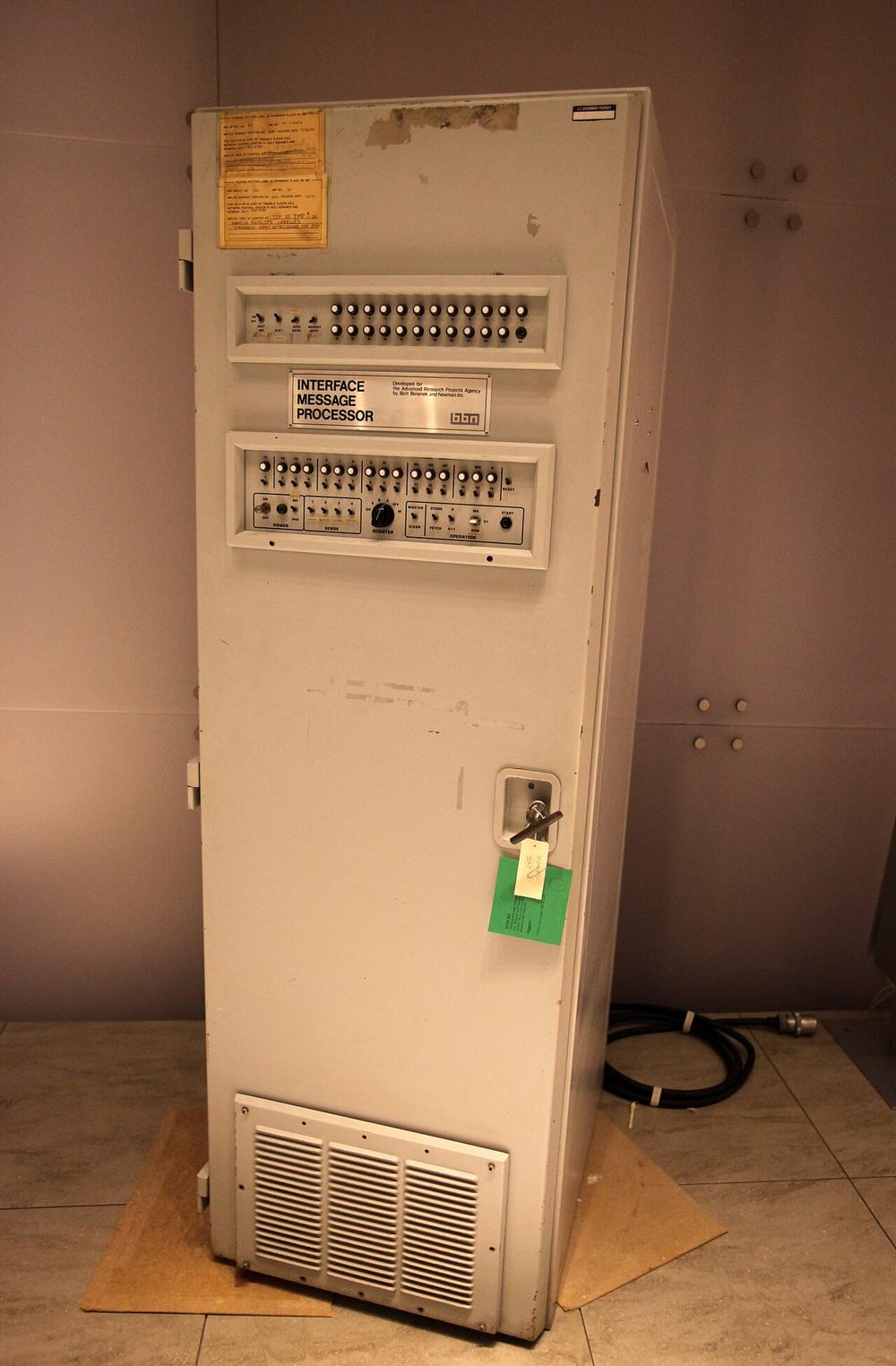
The internet began as a Cold War project. In 1969, the US Department of Defense's Advanced Research Projects Agency switched on ARPANET, linking four university computers so researchers could share work — and so the network would keep working even if part of it was destroyed. The key idea was packet switching: messages broken into small packets that could take different routes to their destination. In 1973, the network crossed the Atlantic to Norway and Britain. In 1983, ARPANET adopted TCP/IP, the protocol that still carries internet traffic today, and the network began to be called the internet. Email, invented in 1971, was its first popular use.
The Web: 1989–1991
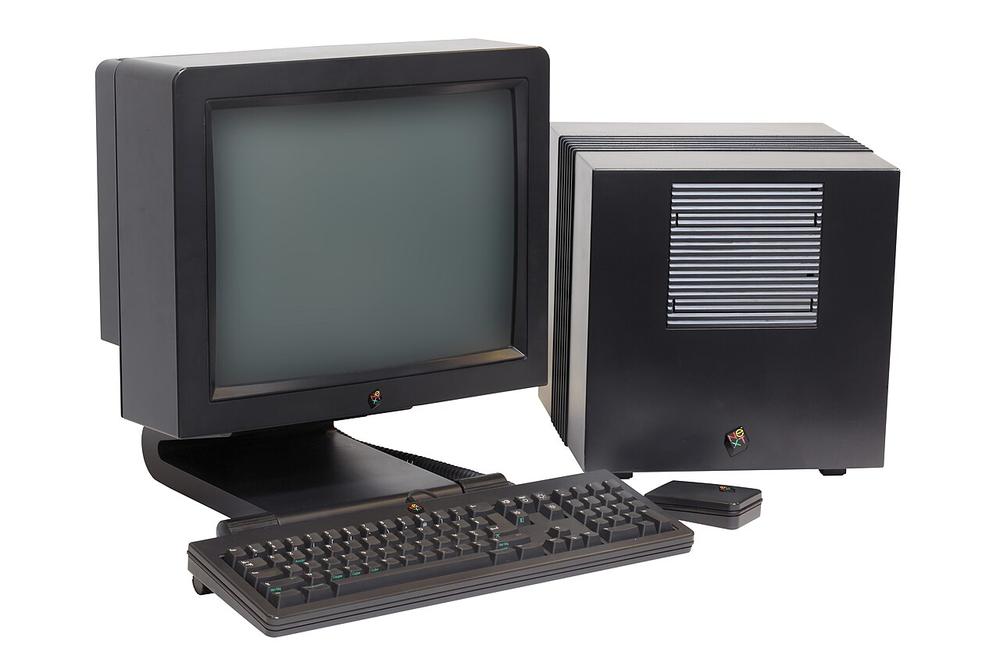
The internet was powerful but hard to use — until Tim Berners-Lee, a British scientist at CERN, the European particle physics laboratory in Switzerland, proposed a system of linked documents in March 1989. His boss wrote "vague but exciting" on the proposal. Berners-Lee built the three ingredients that made it work: HTML, the language for writing pages; HTTP, the rules for fetching them; and URLs, the addresses for finding them. By the end of 1990 he had built the first web browser and the first web server, running on a NeXT computer. On 6 August 1991 he published the first website, at info.cern.ch, explaining what the Web was and how to use it. Berners-Lee and CERN chose not to patent the Web, keeping it free for everyone — a decision that made its explosive growth possible.
The browser wars and the dot-com boom
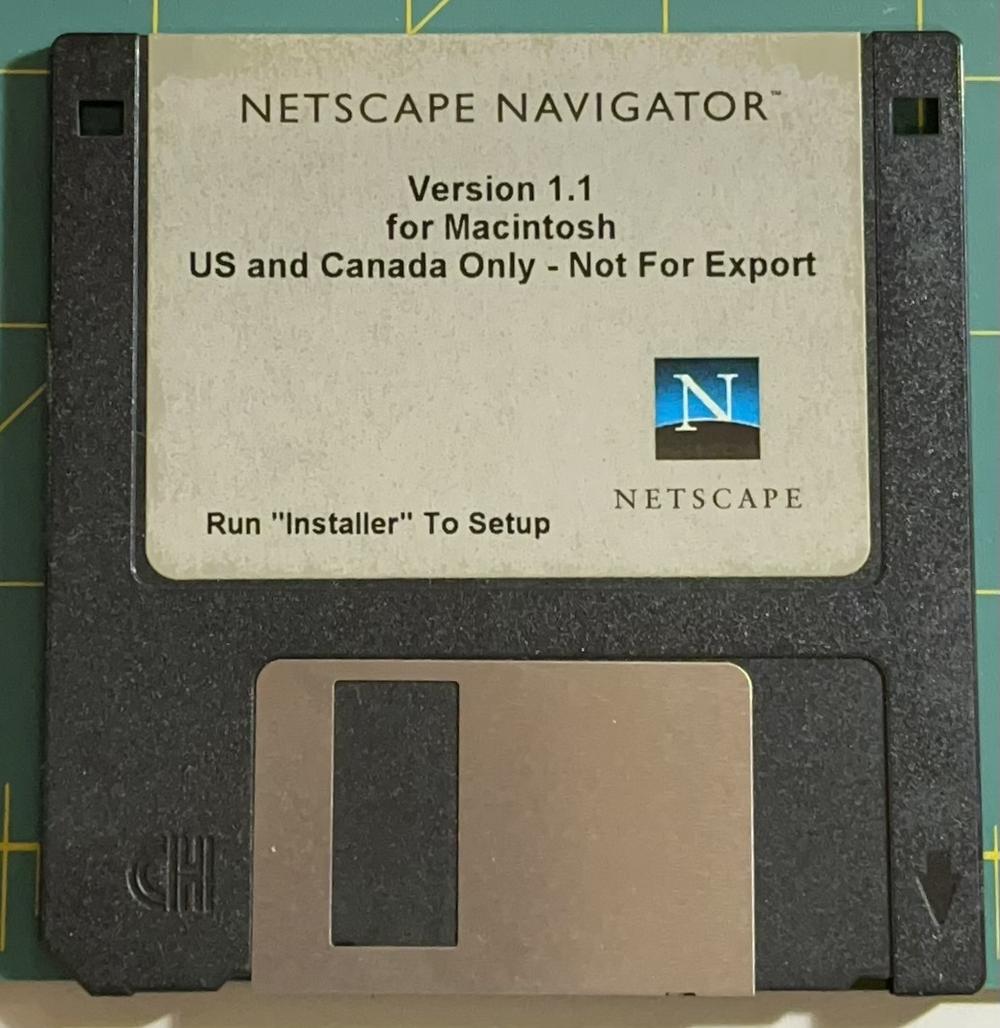
In 1993, the Mosaic browser from the University of Illinois put pictures next to text and made the web easy for ordinary people. Netscape Navigator followed in 1994, and Microsoft's Internet Explorer in 1995, beginning the "browser wars." Companies rushed online: Amazon opened in July 1995, eBay in September 1995, and Google was founded in 1998. The dot-com boom peaked in 2000 and then burst, wiping out many companies — but the survivors, and the infrastructure they built, stayed. By the mid-2000s, broadband, search, email, and social networks had made the web part of daily life for hundreds of millions of people.
What the network changed
The internet changed what a computer is for. Before it, a computer's value was in its processor; after it, the value was in the connection. Software moved from disks to downloads to the cloud, where programs run on distant servers. The computer became a terminal to a world of information — and, as the next guide shows, the terminal itself began to shrink until it fitted in a pocket.
Sources: History of the World Wide Web — Wikipedia, ARPANET — Wikipedia, The World's First Web Site — History.com, Tim Berners-Lee — Wikipedia Checked 27 November 2026.